
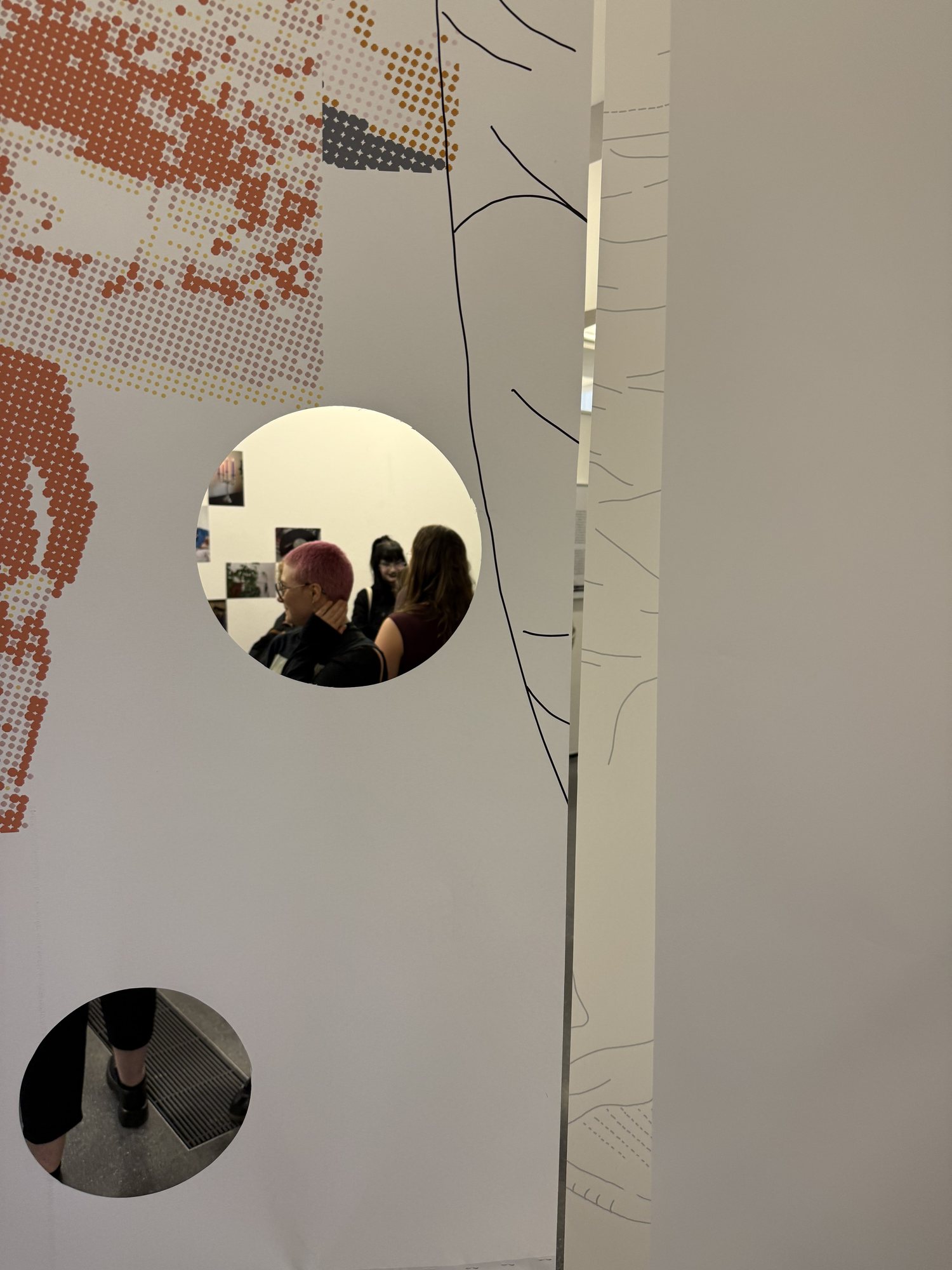
Part of the exhibition “Breaking Bubbles”, Dortmunder U, 2026
Departments of Fine Art (Sculpture) and Journalism, TU Dortmund University
Aluminium spirals, printed fabric panels with cut-outs, 4 video works (approx. 5 min each)
The concept
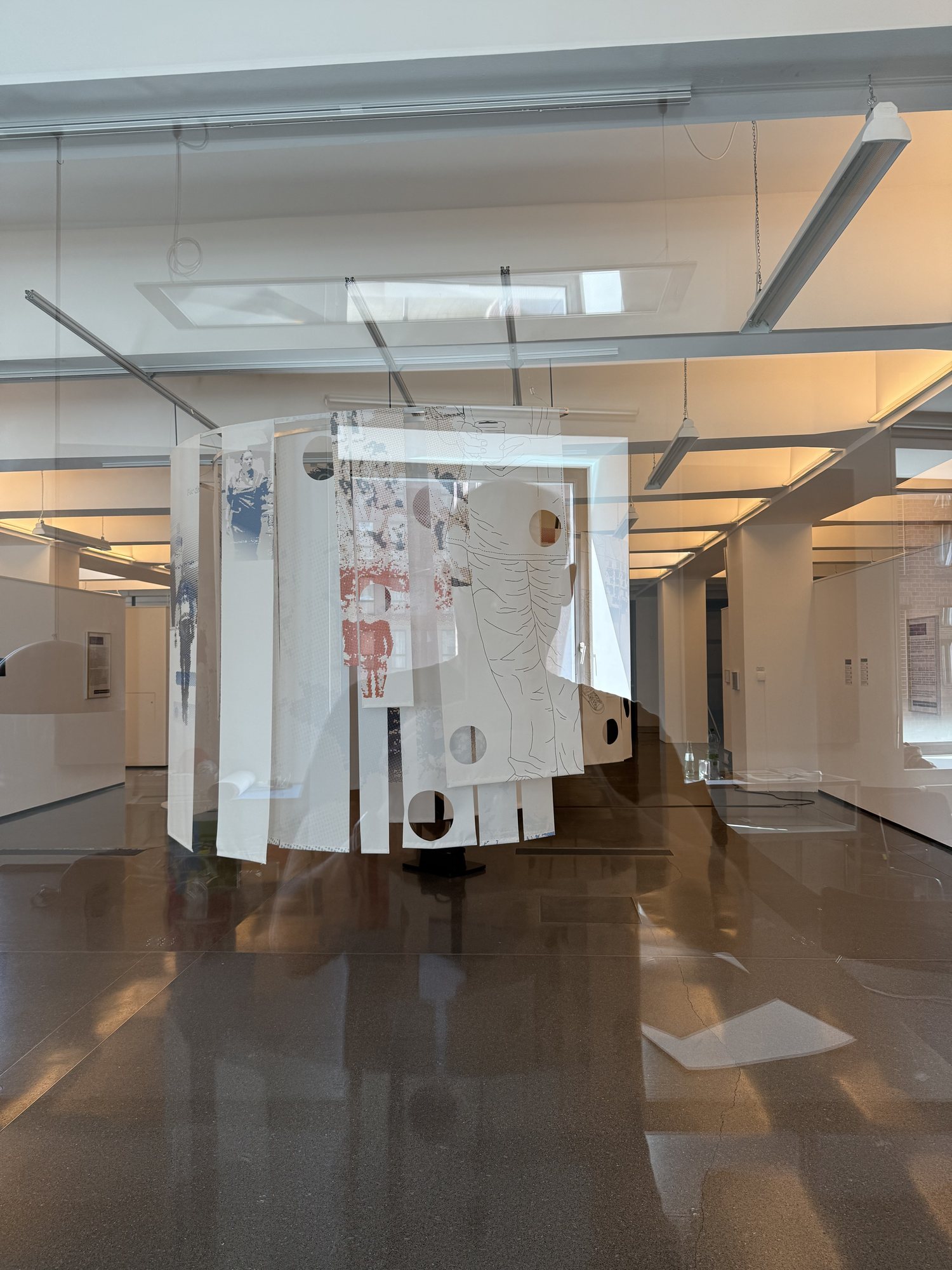
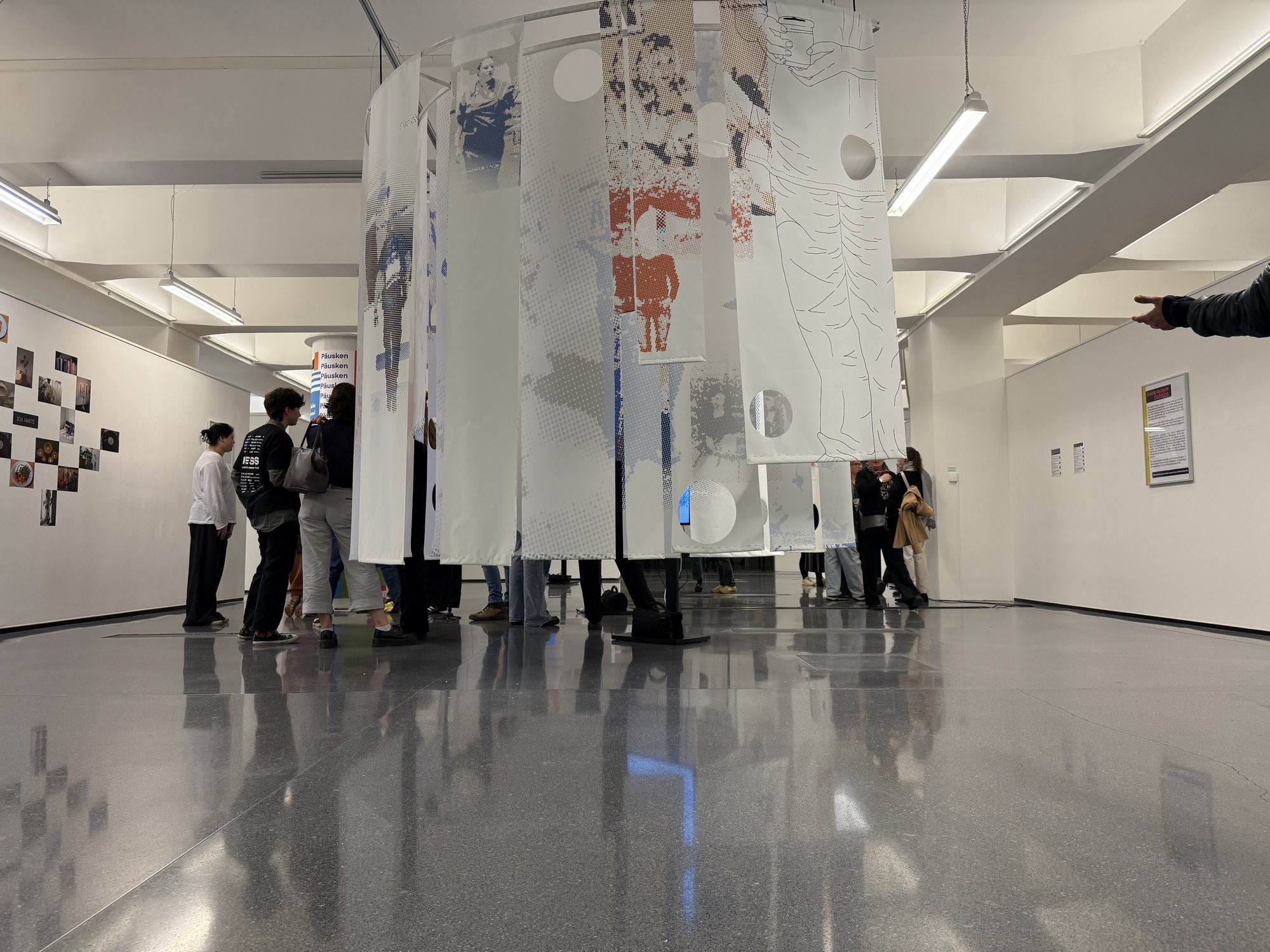
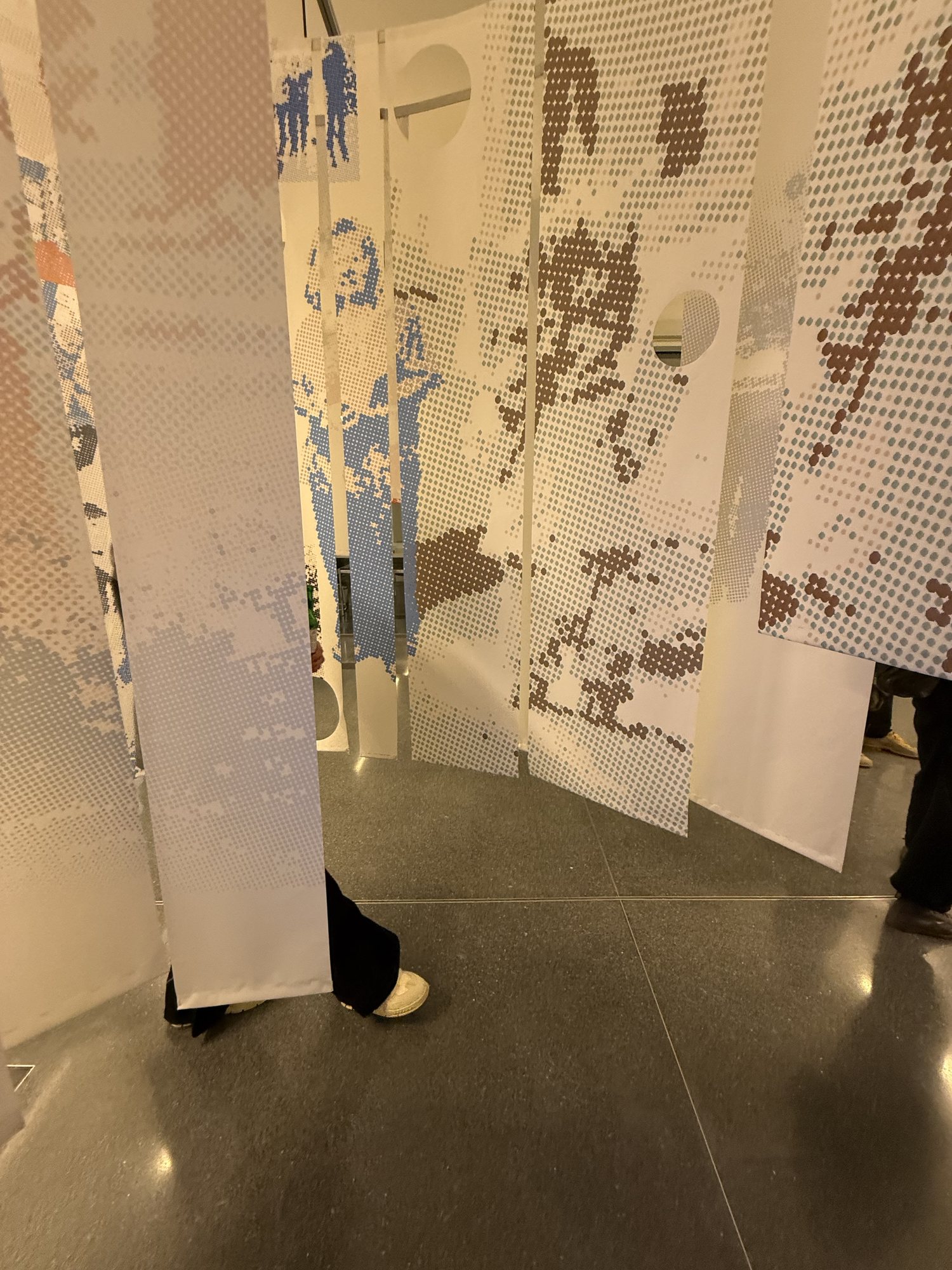
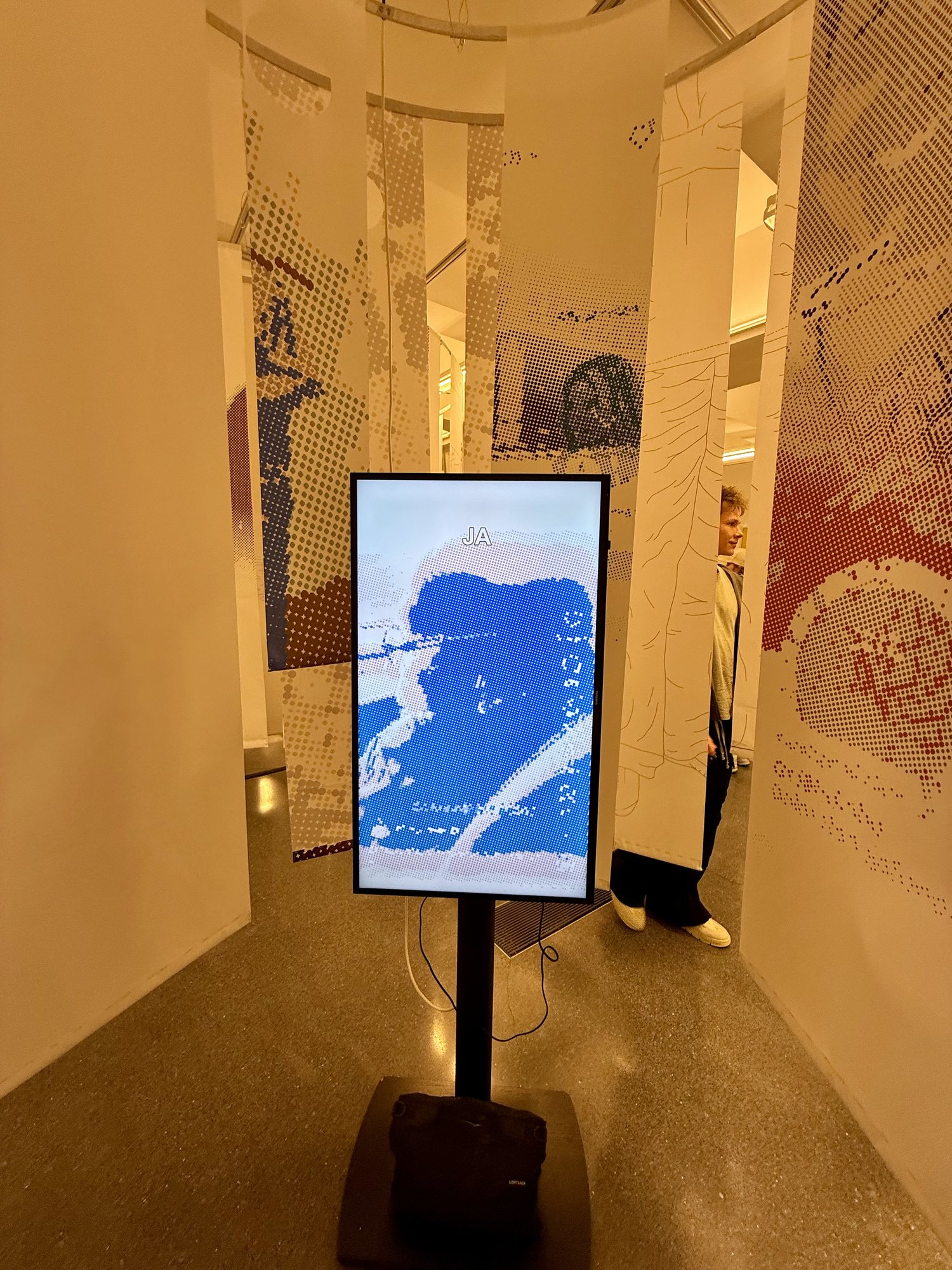
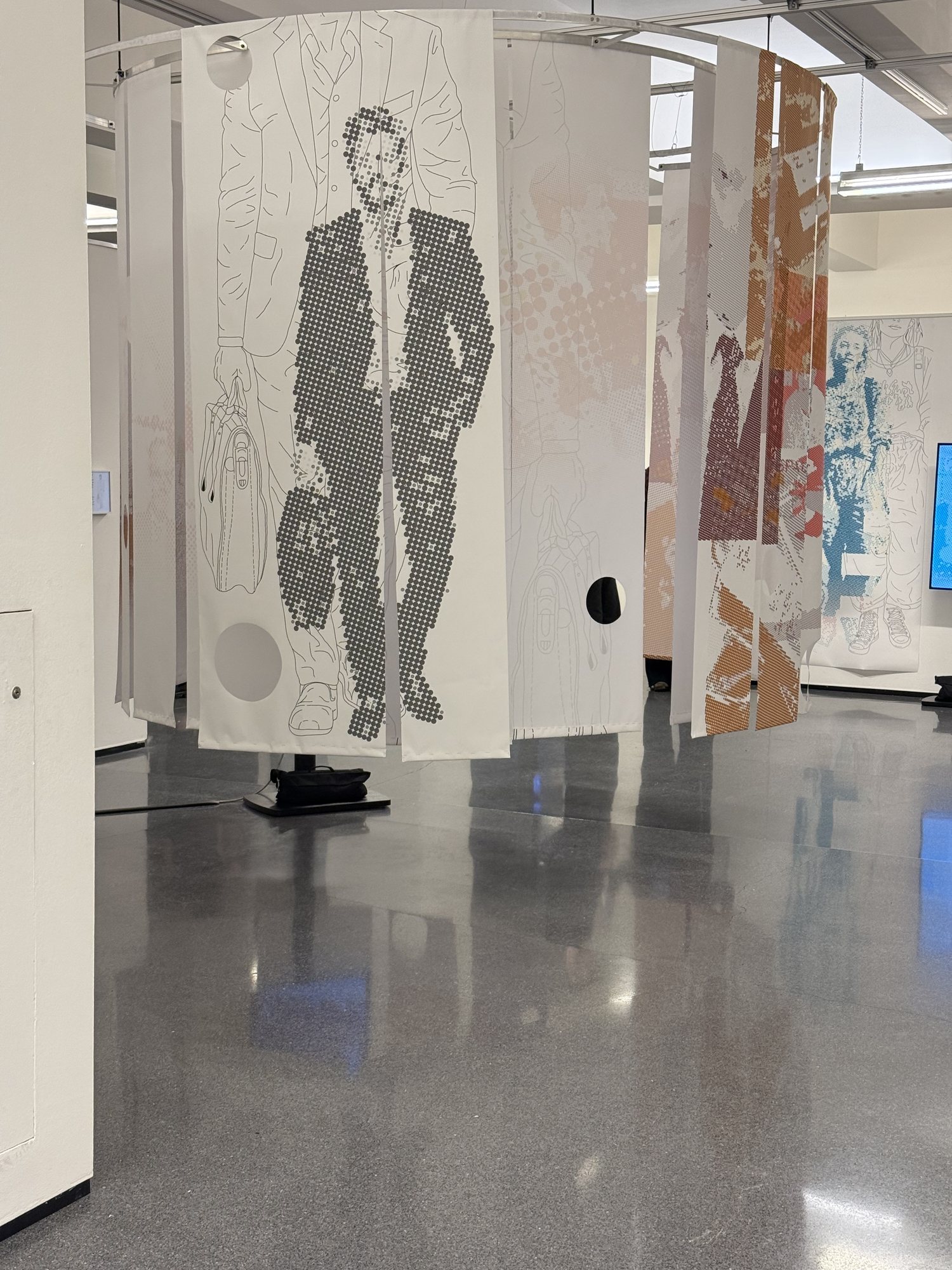
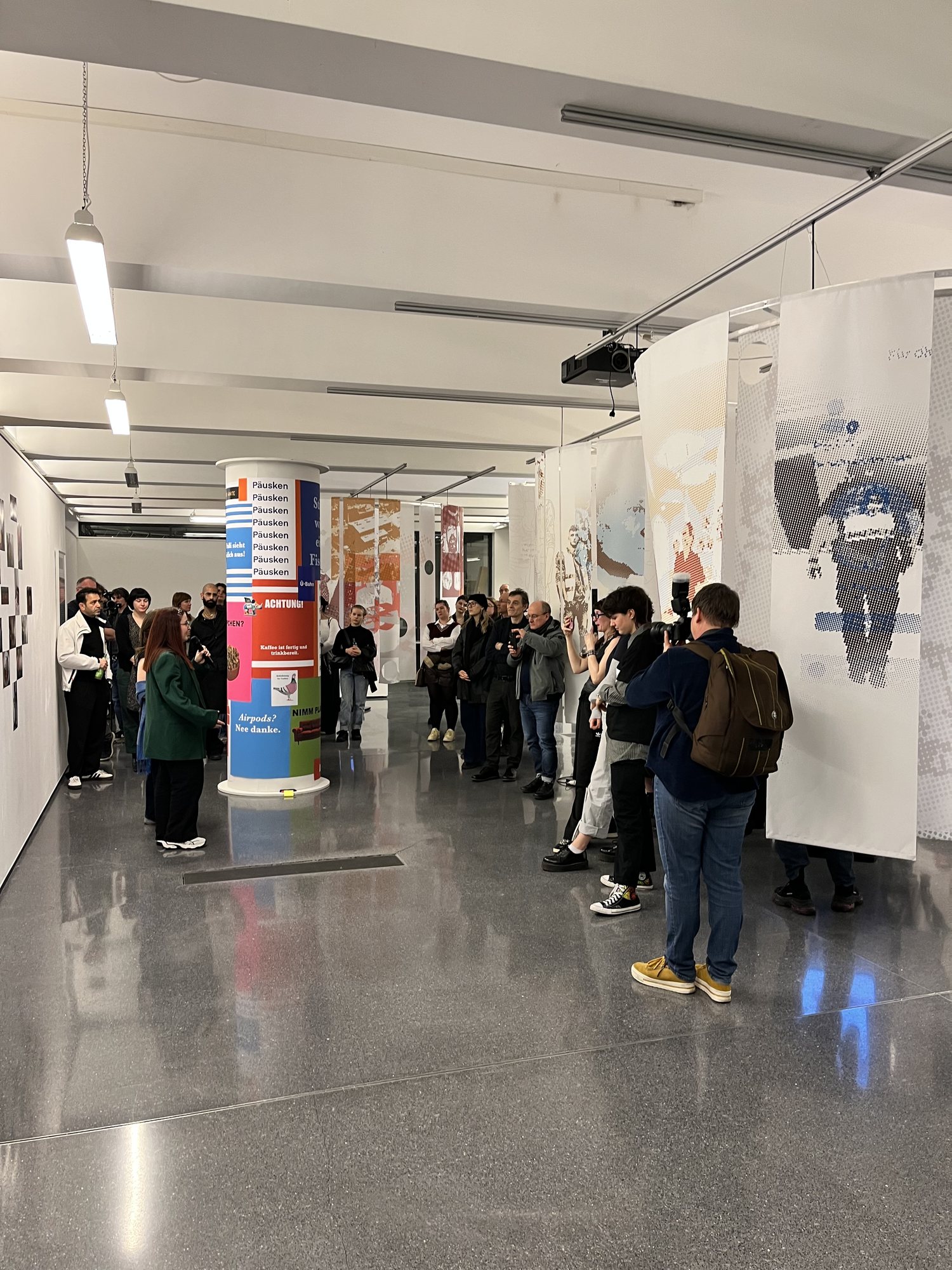
Social media algorithms amplify echo chambers and filter bubbles — and the media we consume shapes how we perceive reality. The term “filter bubble”, coined in 2011 by internet activist Eli Pariser, describes the space of personalised content that platforms like Instagram, TikTok, Google or Facebook build around their users: what you see is mostly what matches your own opinions and interests. “inside / outside bubbles” turns these invisible spaces into something you can walk into: four bubbles made of printed fabric panels hang from aluminium spirals, each one open to enter. Inside, the social media feed of a fictional yet realistic persona is playing.
The work is based on four personas from four milieus of German society, developed on the basis of the Sinus milieus — with different professional, political and socio-cultural backgrounds. For each persona a real Instagram account was created and the algorithm trained: swiping through reels for 15 minutes, watching and liking fitting videos twice, skipping the rest. The resulting For You pages were screen-recorded — four feeds, four versions of which news and information the world is made of.
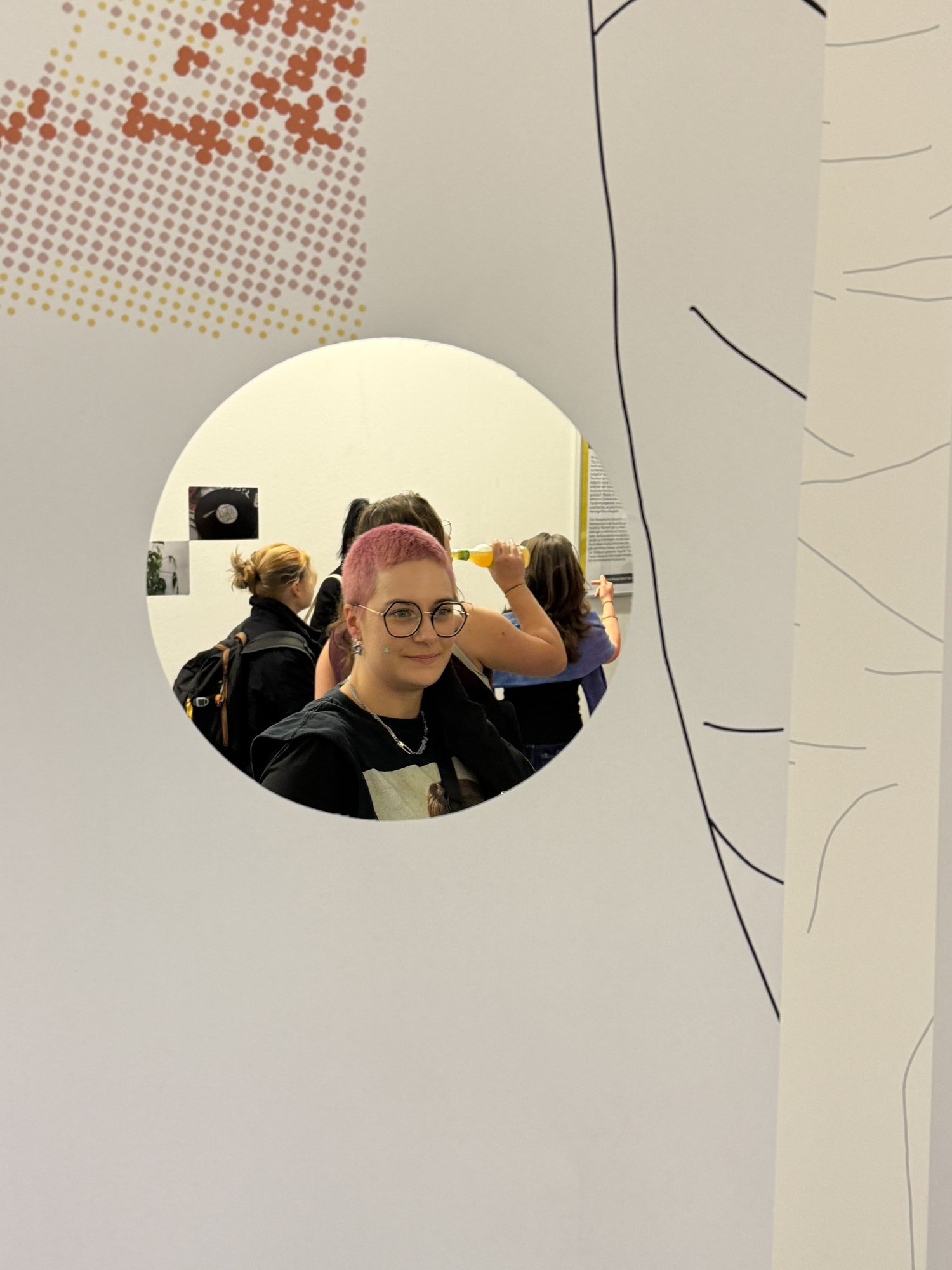
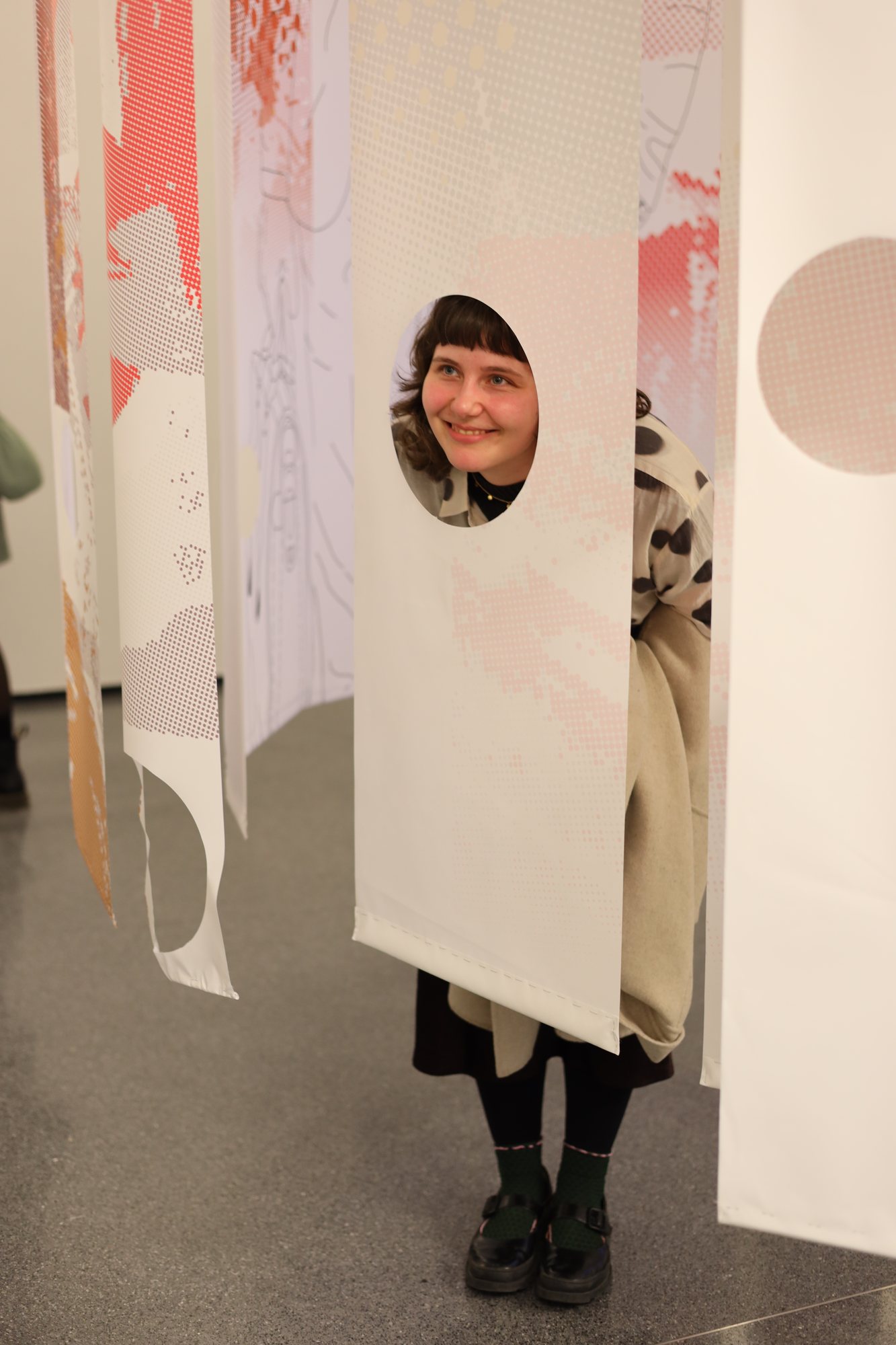
Circular cut-outs in the fabric keep the other bubbles visible at all times: you can look out of your own bubble and into someone else’s. “Break the bubble” — the cut-outs are the constructive proposal against the alienation between lived realities.
The four bubbles
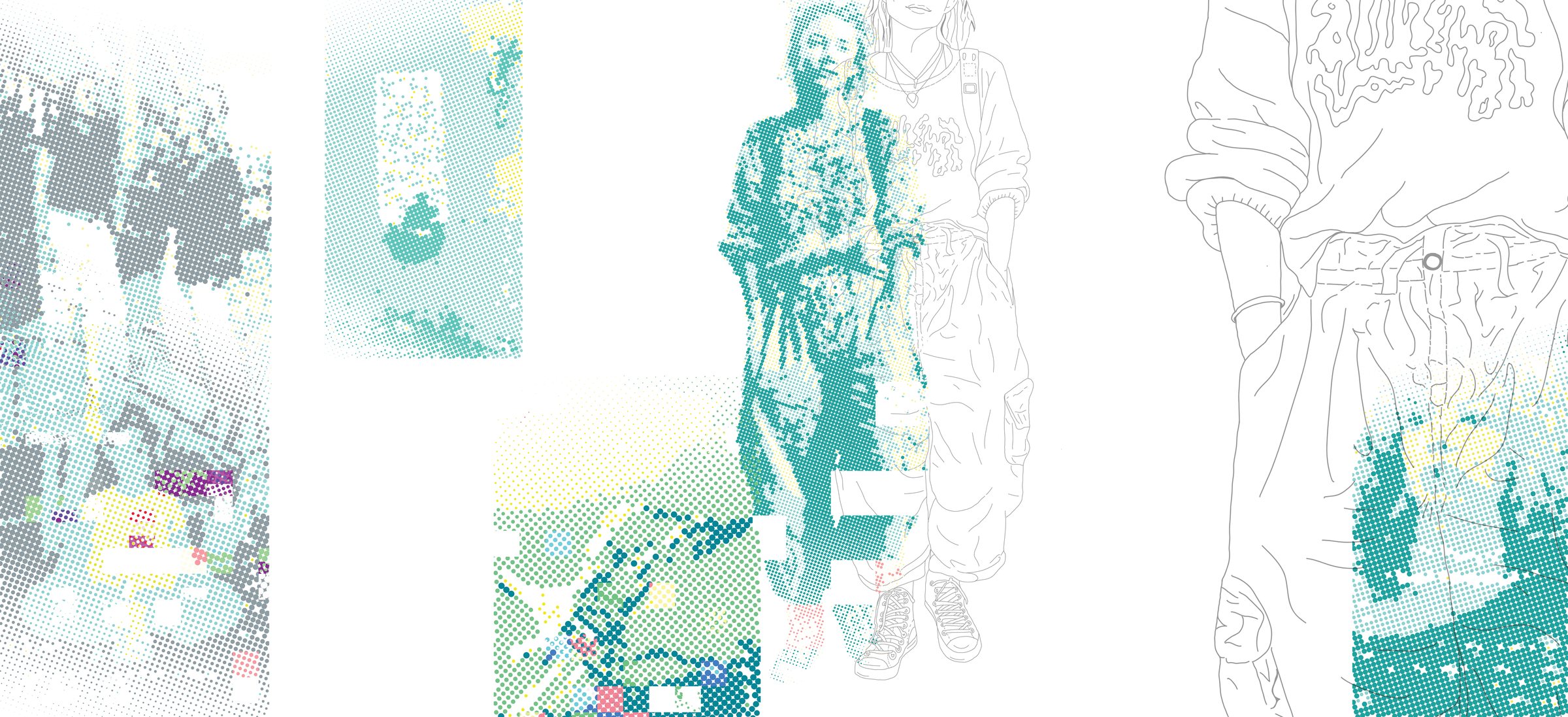 Bubble 1Neo-ecological
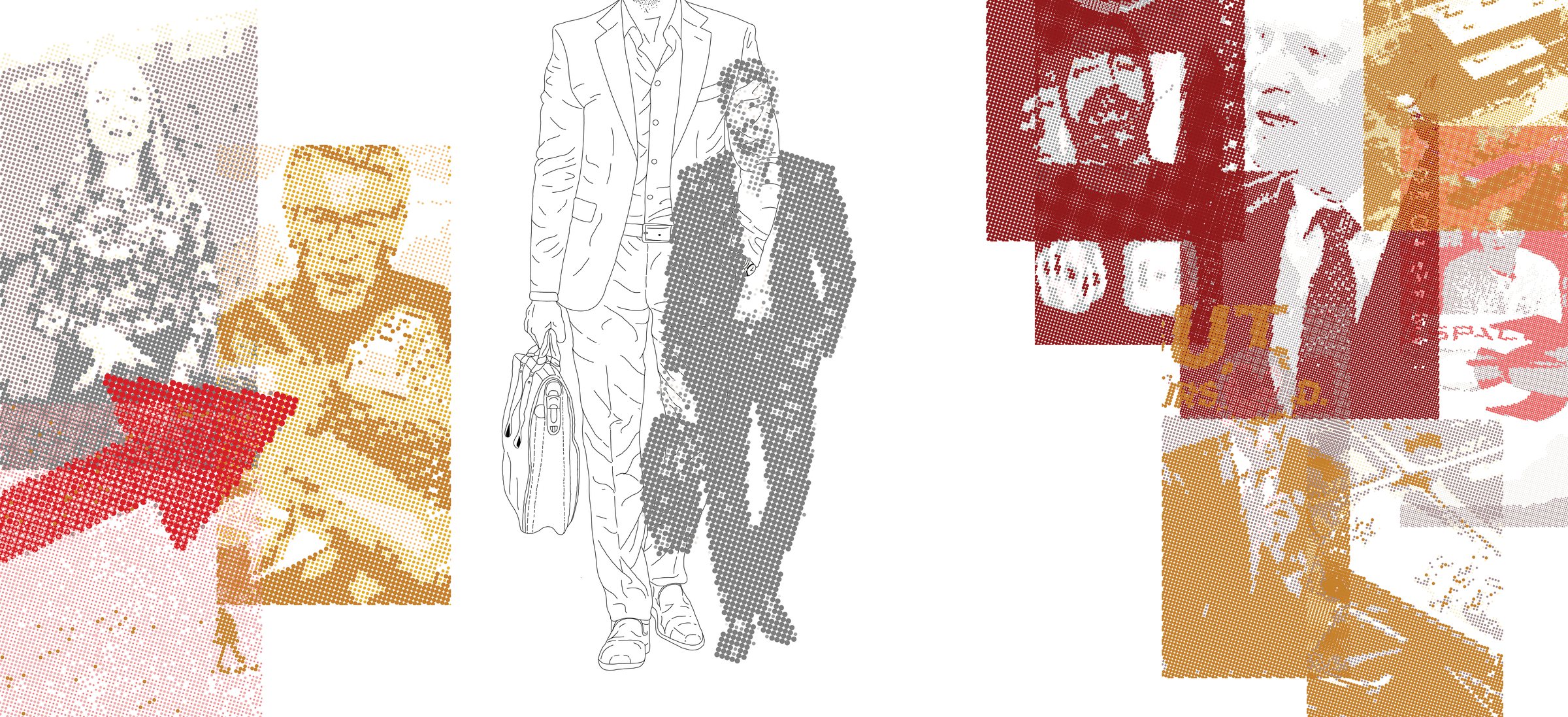 Bubble 2Adaptive-pragmatic middle
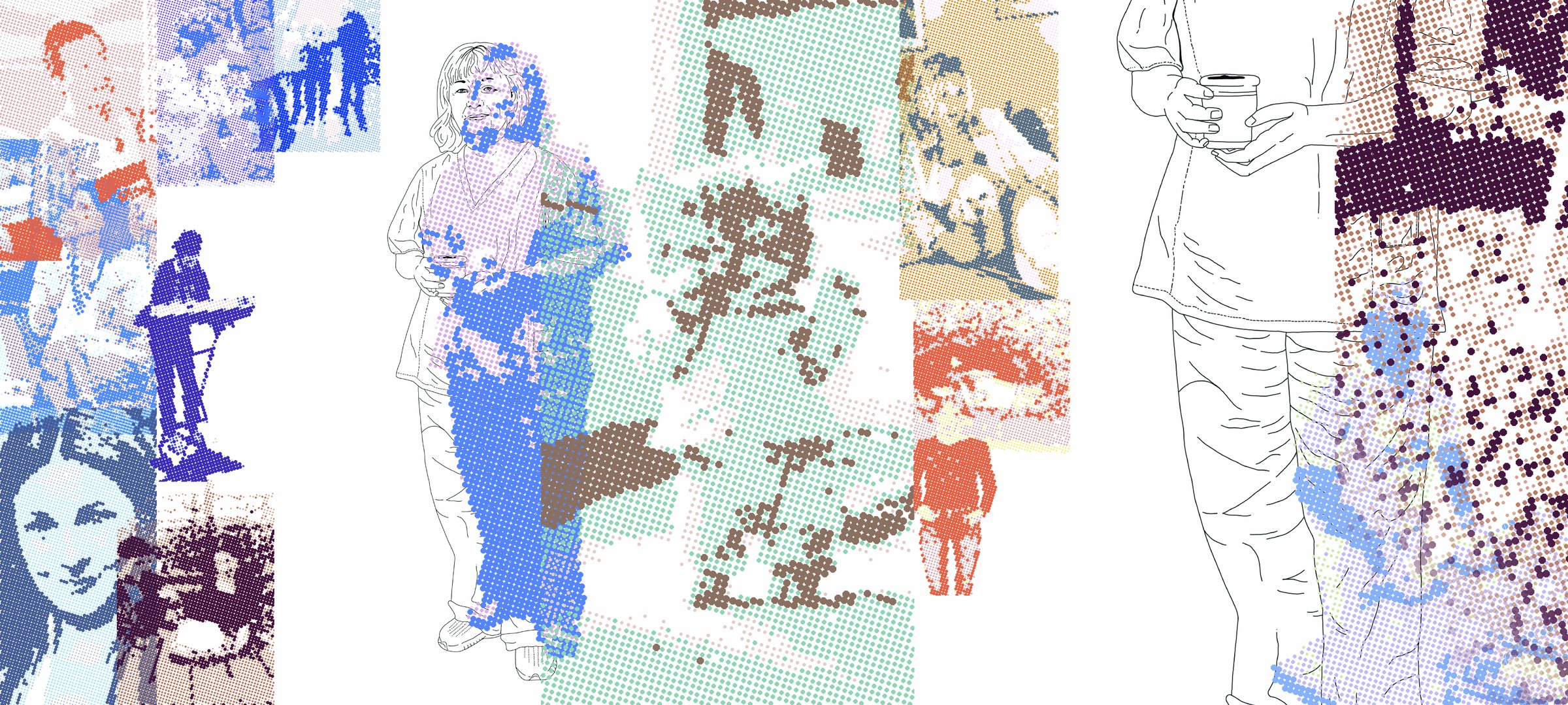 Bubble 3Traditional milieu
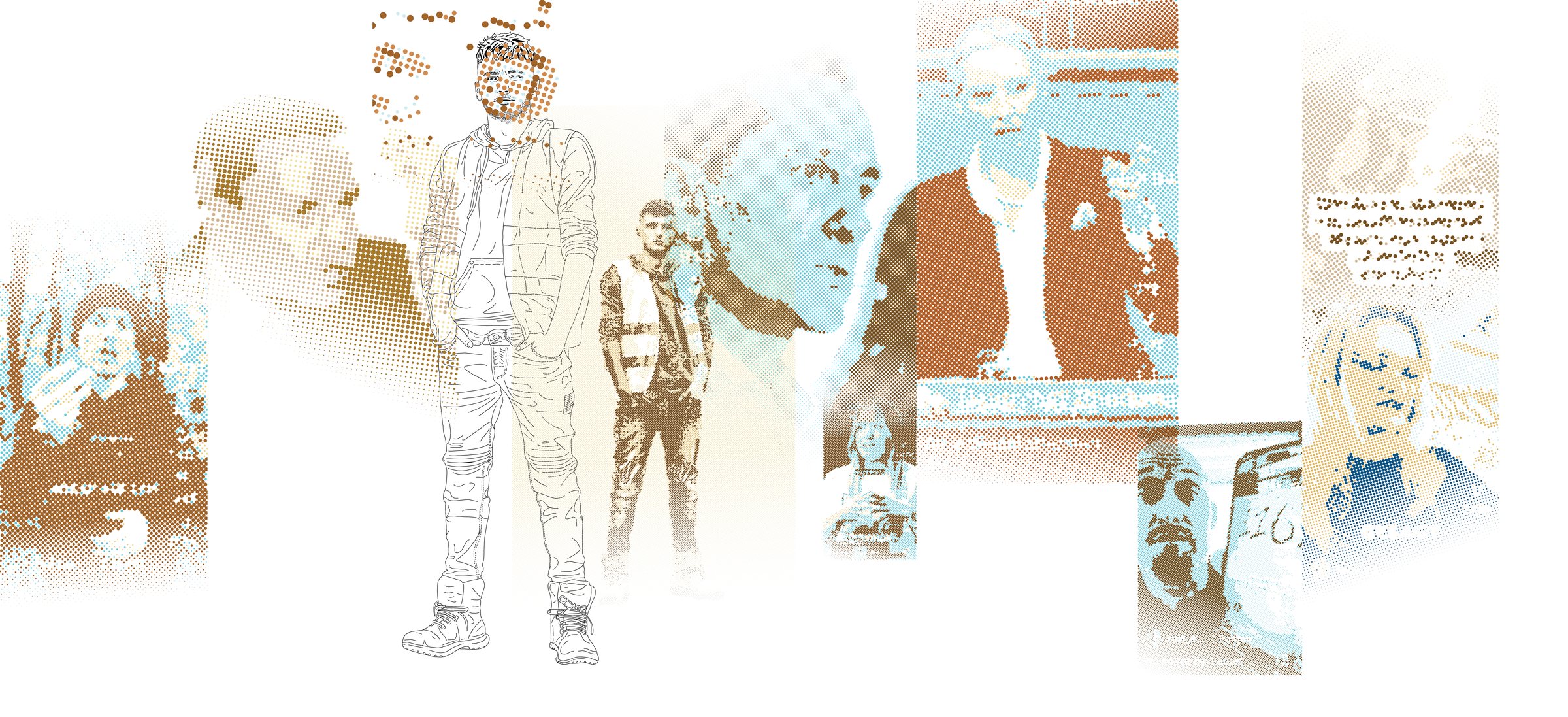 Bubble 4Precarious milieu
Making of
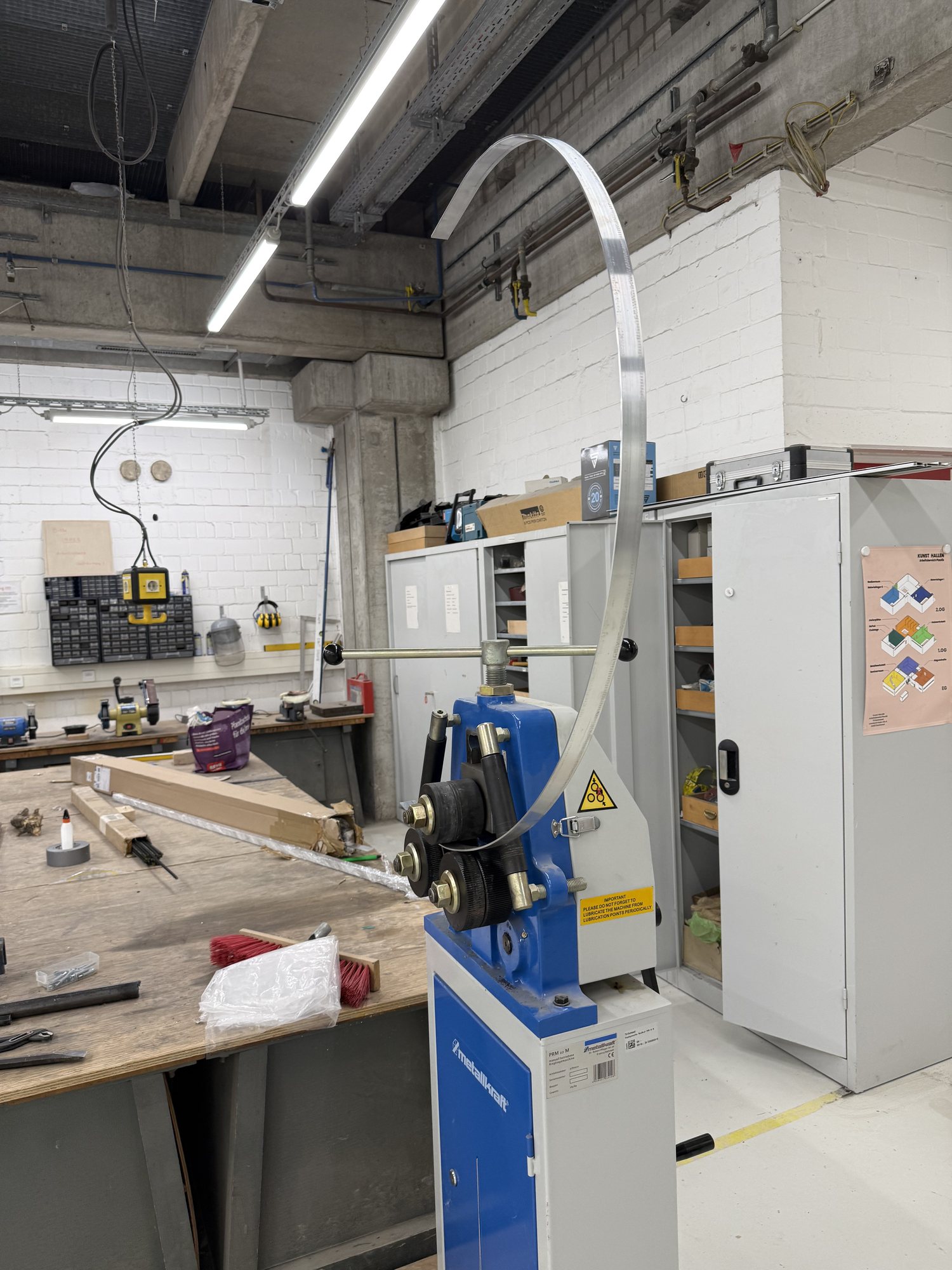
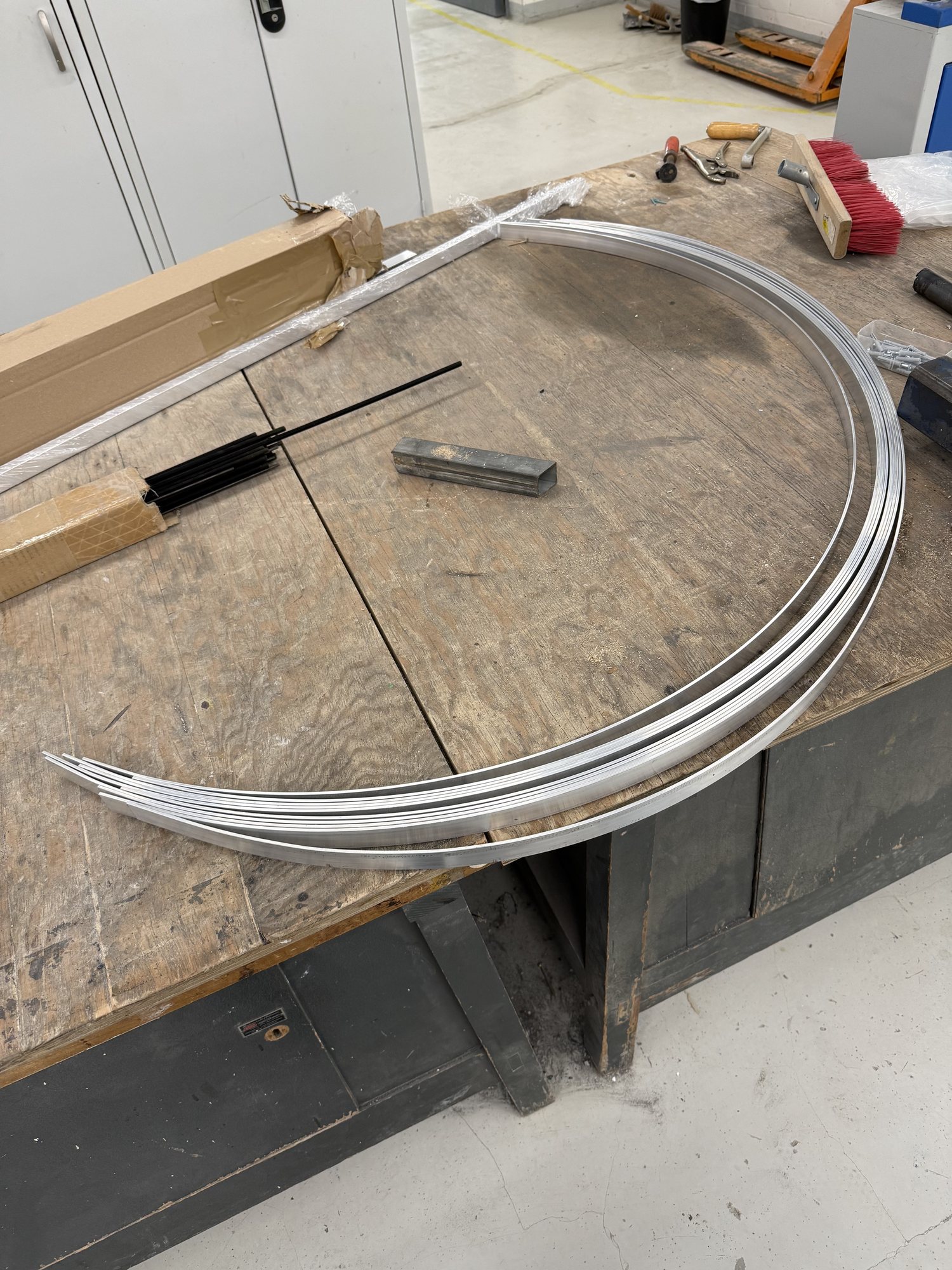
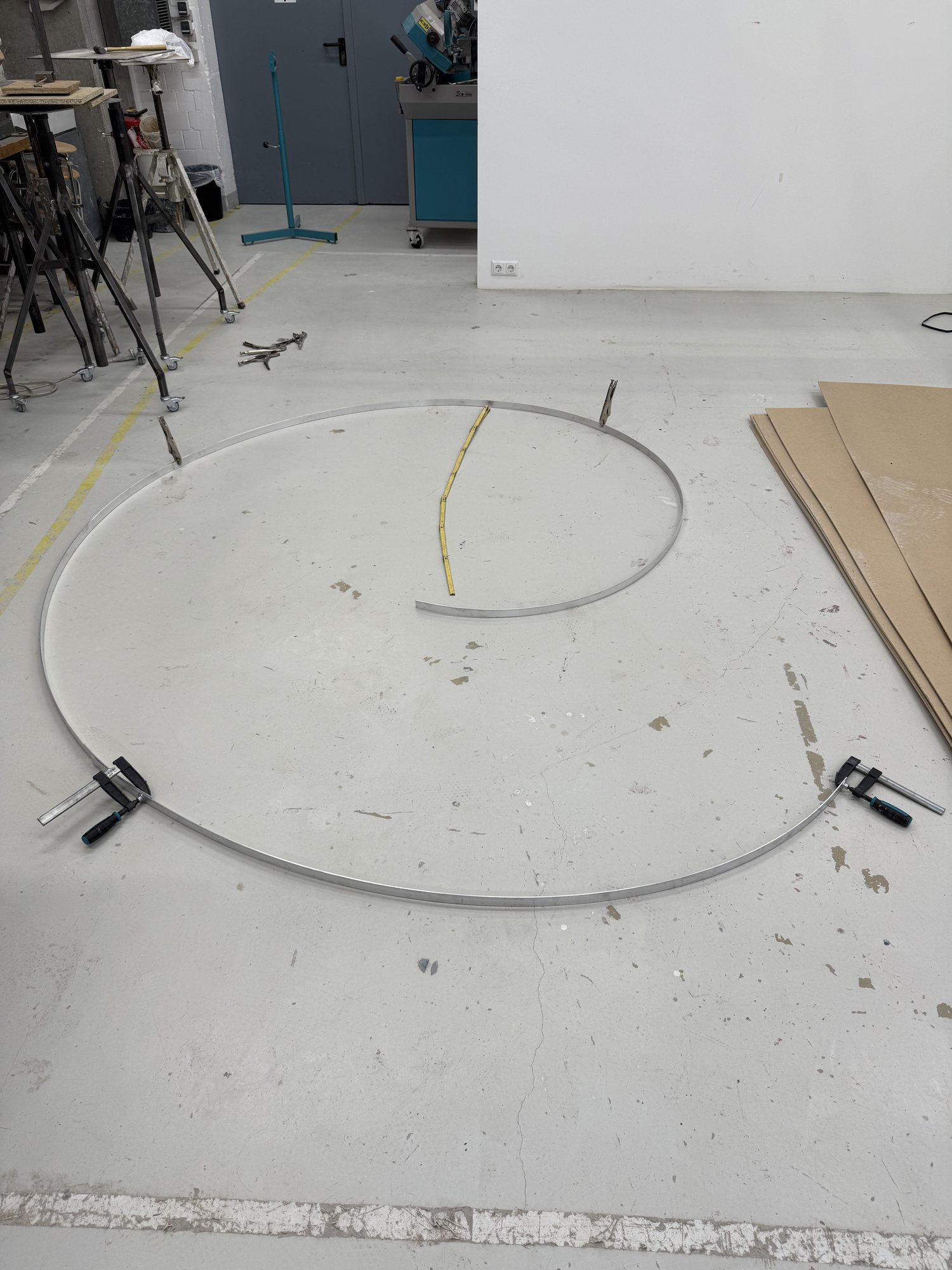
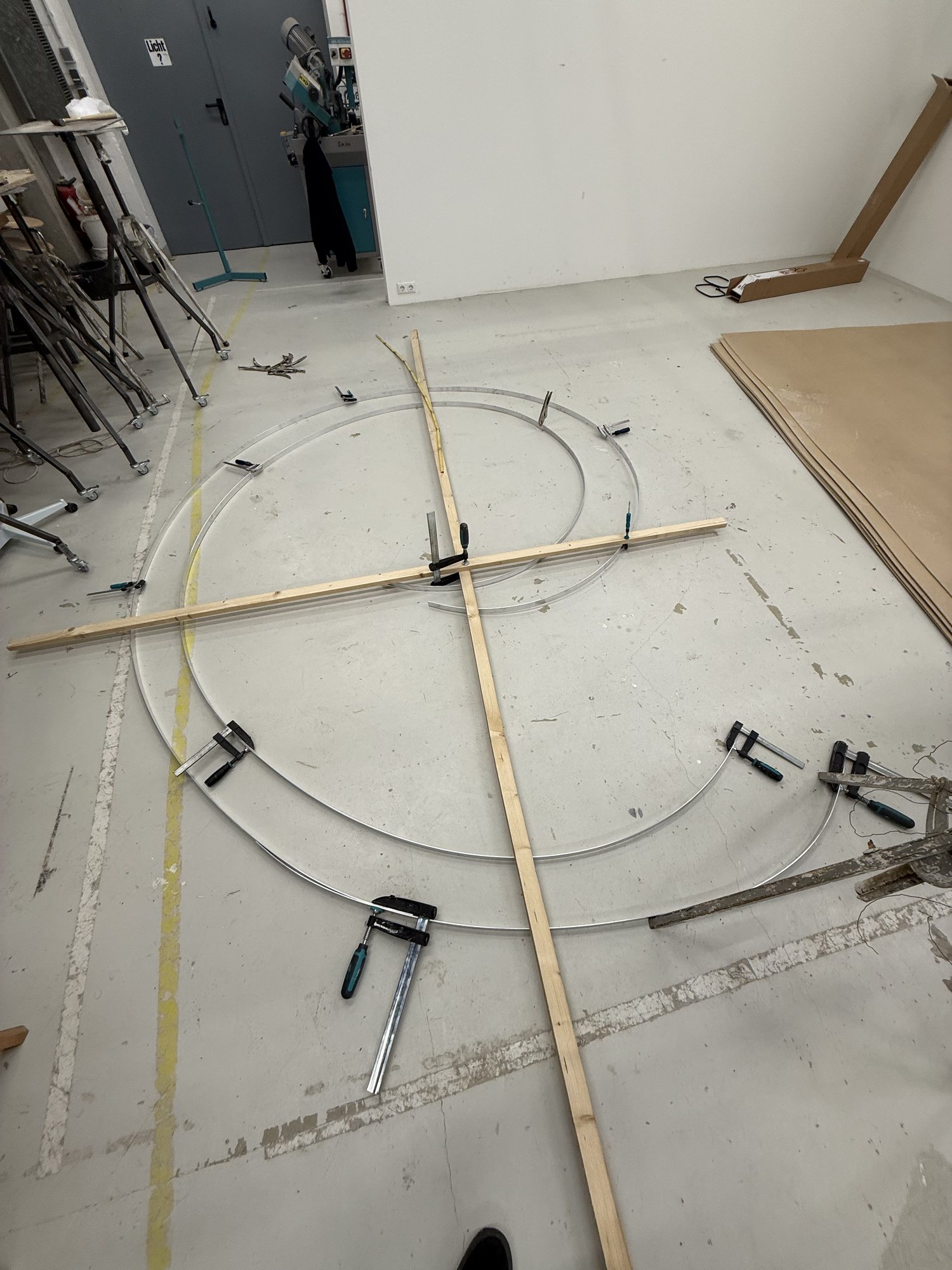
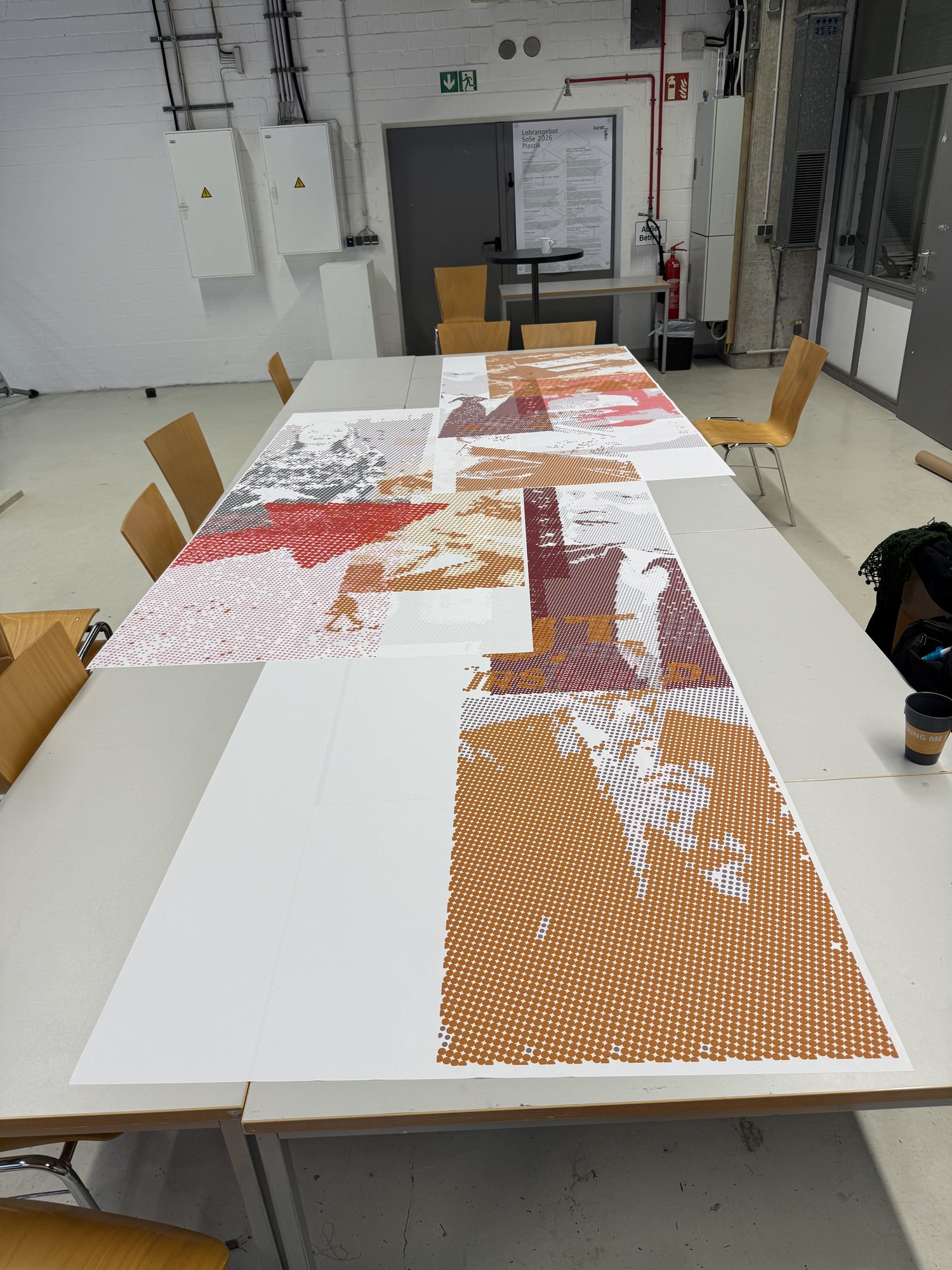
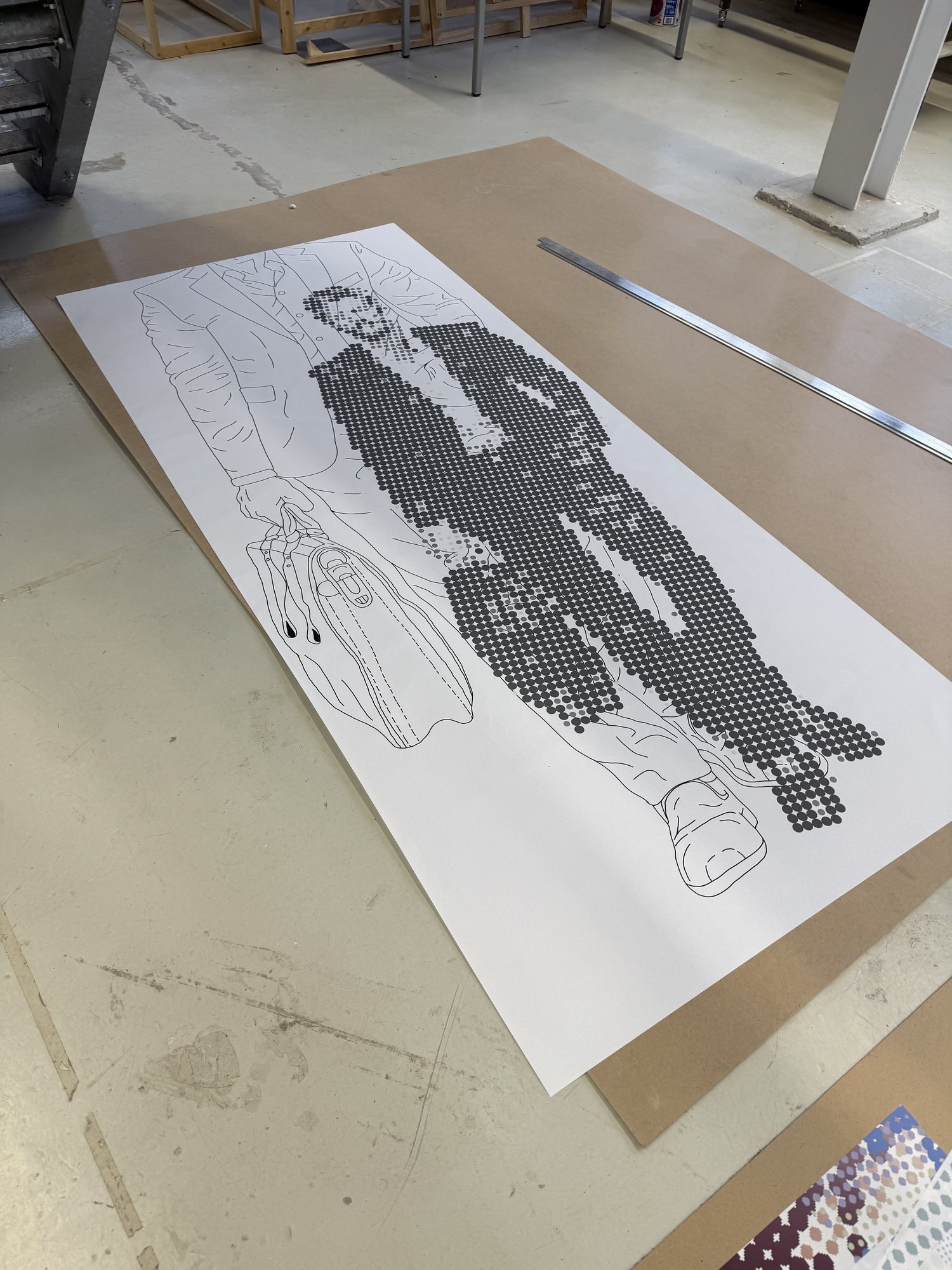
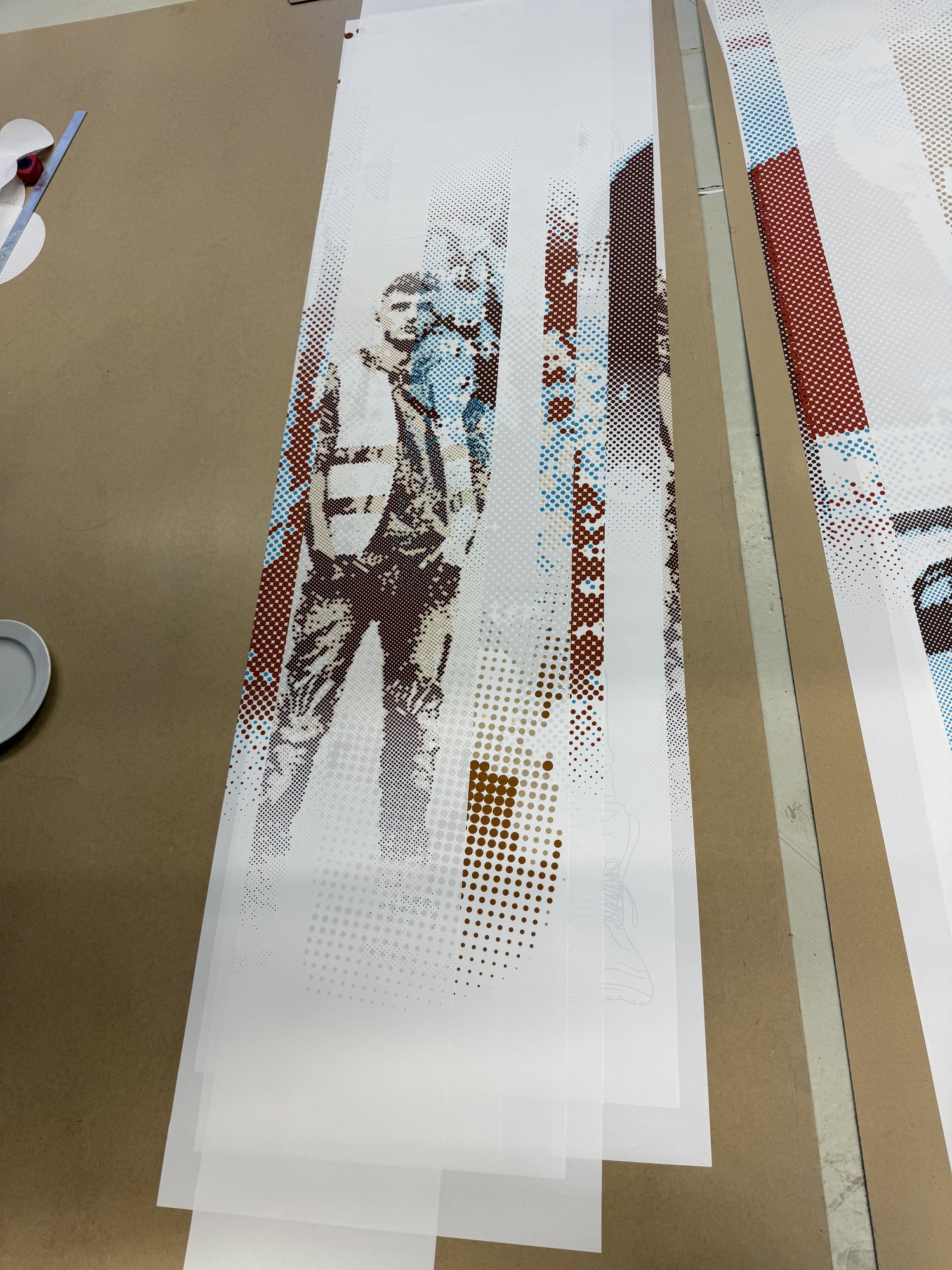
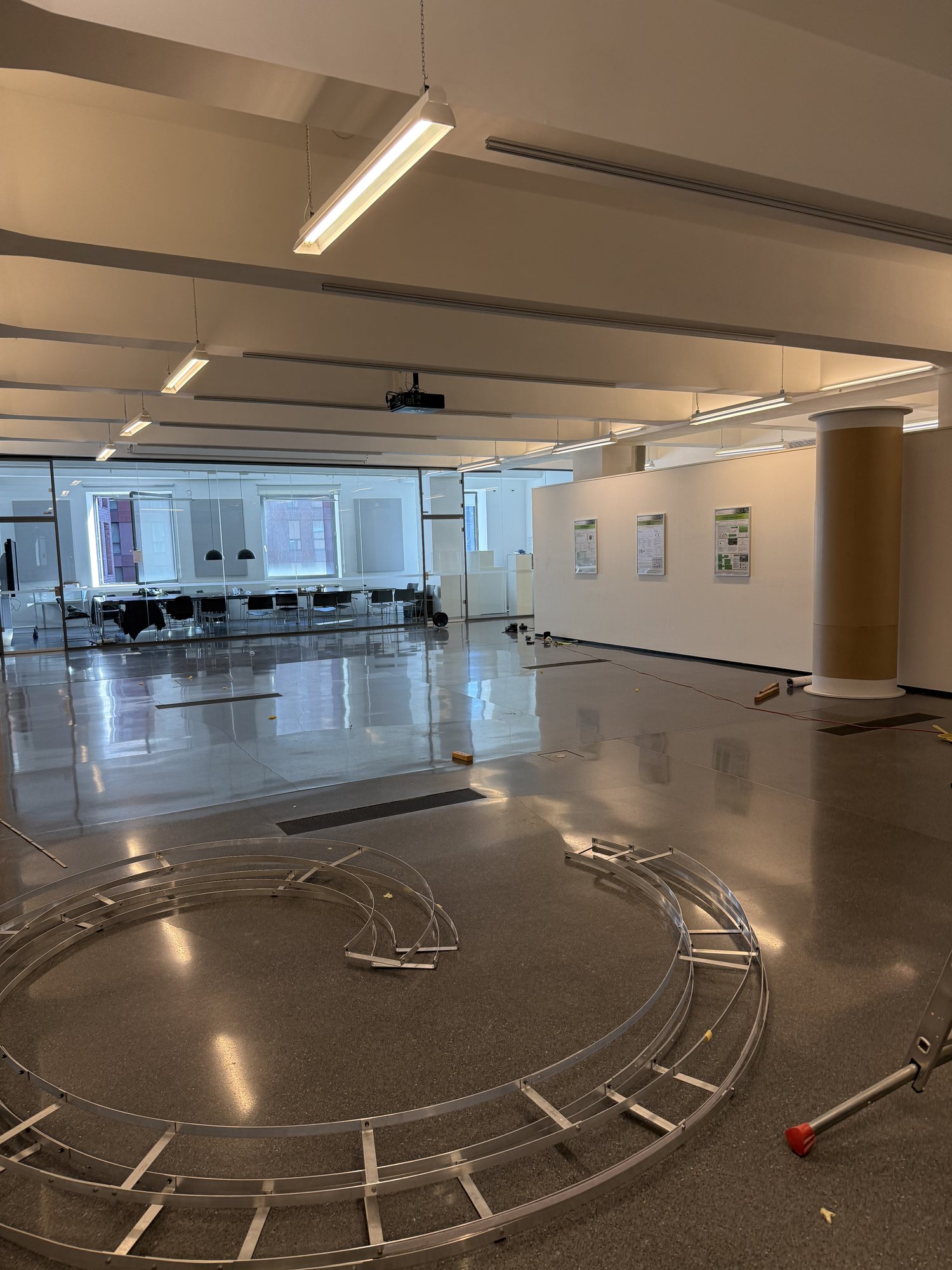
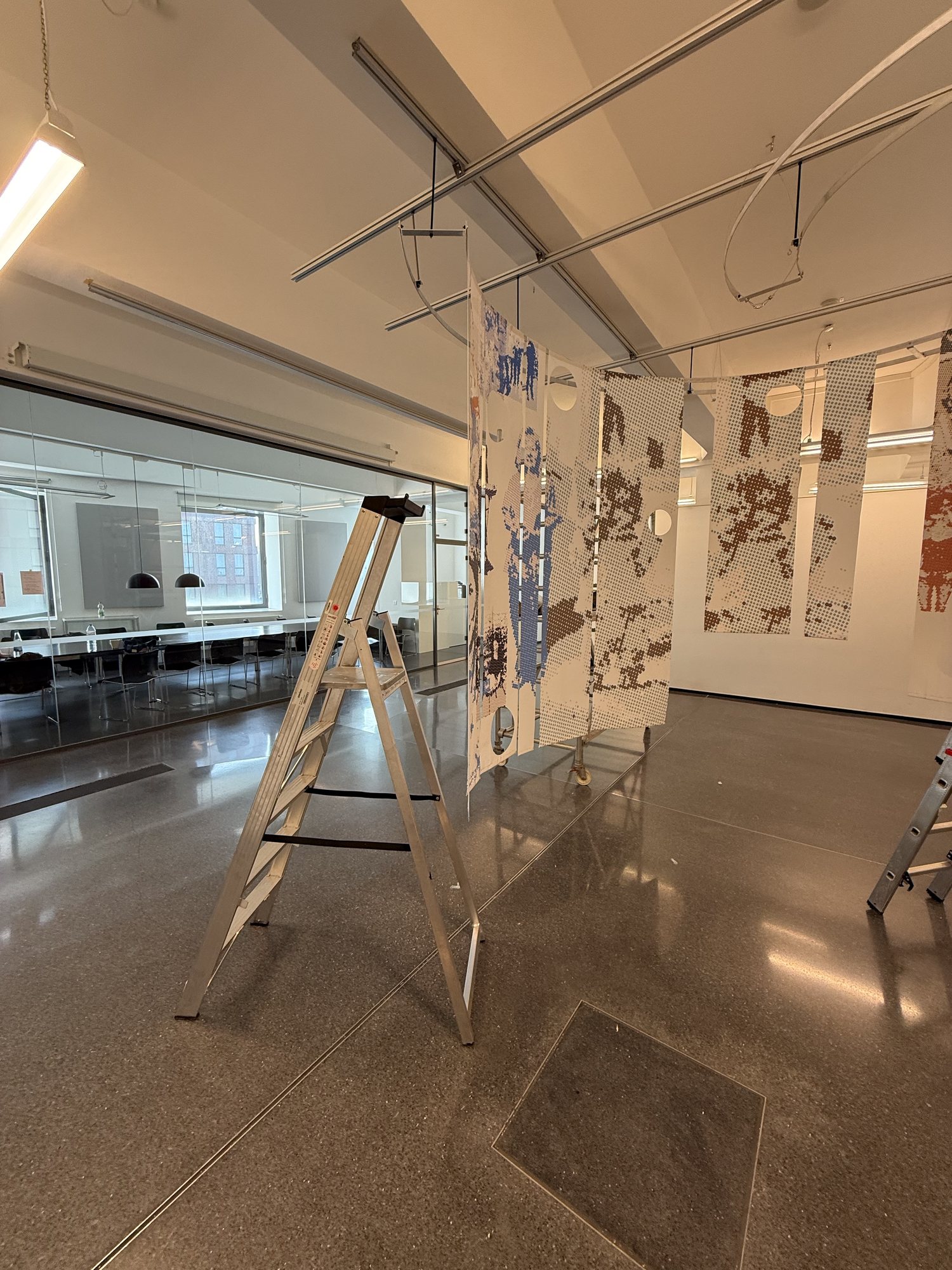
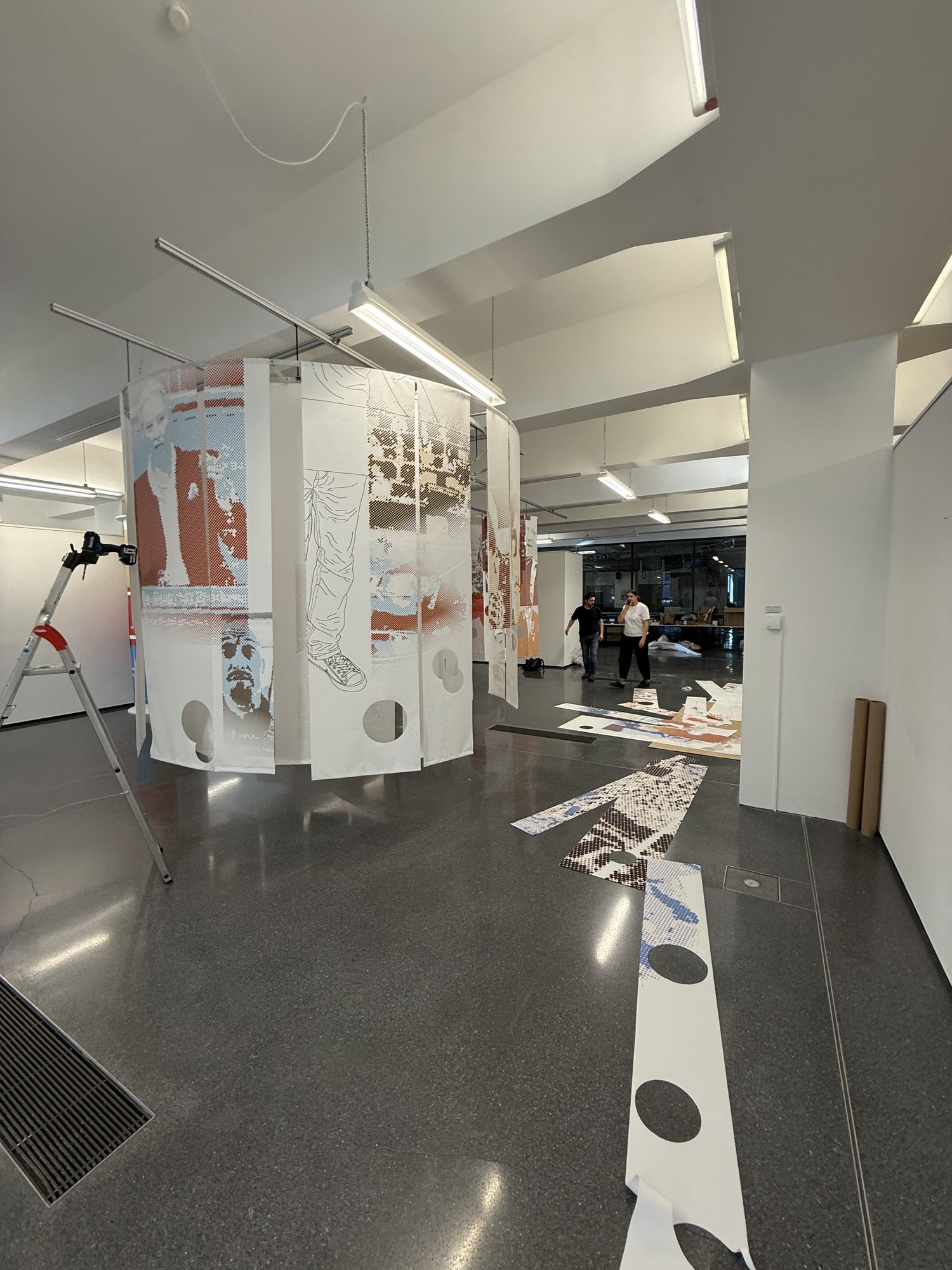
How the finished bubbles made it into the listed Dortmunder U building is told in the post Transporting the “Bubbles” into the Dortmunder U.
Opening night
The Sinus milieus
Filter bubbles are digital and analogue spaces we move in. They emerge when people mainly consume content and opinions they already agree with — and they are further fuelled by algorithms and the selection of what we consume: the echo chamber effect.
To make these life-worlds tangible, the work draws on the Sinus milieu model — a model of society developed by the Sinus Institute since the 1980s that groups people by social situation and basic orientation: by values, lifestyle, attitudes and consumption. It divides German society into nine milieus and is otherwise used mainly in social research, marketing and audience analysis. From these, four milieus with the most contrasting political standpoints and environments were chosen: the neo-ecological milieu, the adaptive-pragmatic middle, the traditional and the precarious milieu. For each, a persona with a name, profession and characteristics was created — the foundation of the four bubbles.